What is Landscape Irrigation and How Does It Work?
Landscape irrigation plays a crucial role in maintaining the beauty and health of gardens and green spaces. This method ensures that plants receive the necessary water, especially in regions with limited rainfall. By using various techniques and technologies, landscape irrigation helps conserve water while promoting vibrant landscapes.
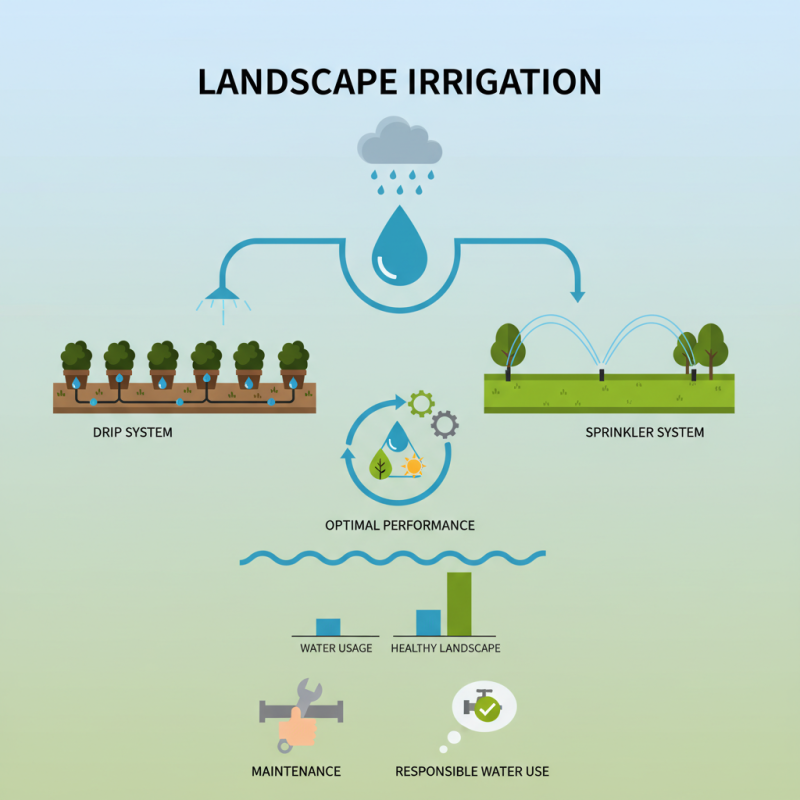
Understanding how landscape irrigation works involves recognizing its key components. These include irrigation systems, such as drip and sprinkler methods, which distribute water effectively. Each system has specific advantages and challenges, often influenced by plant types and soil conditions. An effective plan is vital for optimal performance.
However, not all landscape irrigation systems are created equal. Homeowners sometimes overlook maintenance, leading to inefficiencies. Evaluating water usage and system design can result in better conservation. A thoughtful approach ensures that landscapes thrive while using water responsibly.
What is Landscape Irrigation?
Landscape irrigation is crucial for maintaining healthy gardens, lawns, and landscapes. It involves the deliberate application of water to plants. This process ensures that greenery thrives, especially in dry areas or during droughts. Proper irrigation helps prevent plants from suffering due to water stress.
Various methods exist for landscape irrigation.
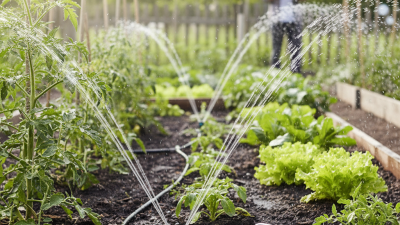
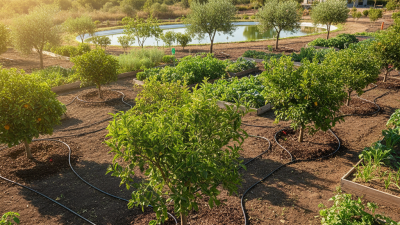
Drip irrigation targets roots directly, minimizing water waste. Sprinkler systems cover larger areas and are adjustable for specific needs. However, finding the right balance for your landscape can be tricky. Too much water can lead to root rot, while too little may not meet plant needs.
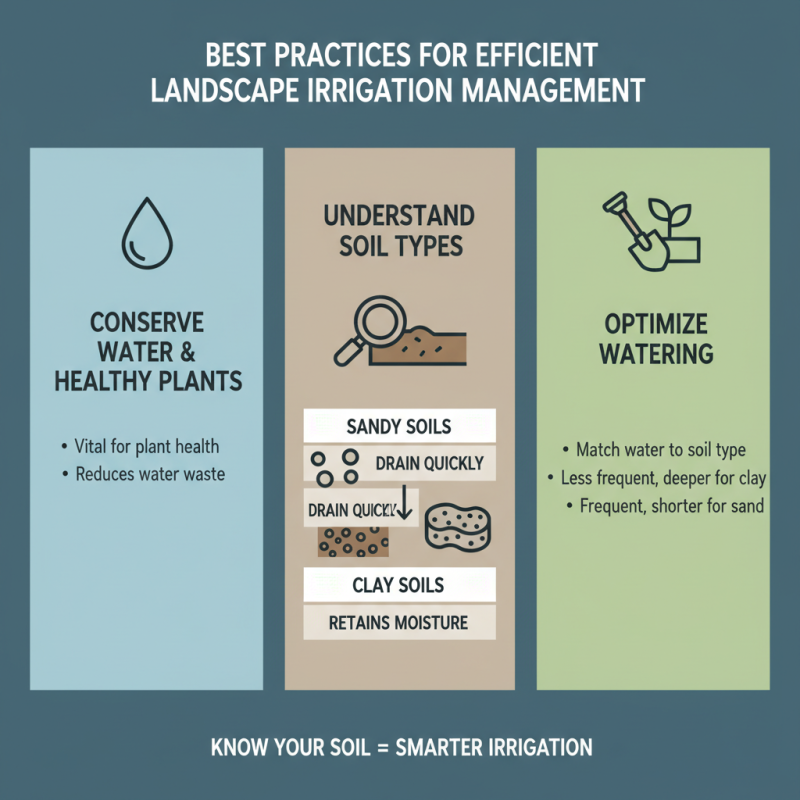
Understanding soil types is also vital.
Sandy soils drain quickly, requiring more frequent watering.
Clay soils retain water longer, so irrigation schedules can differ. It's essential to observe your landscape’s response and adjust accordingly. Keeping a close eye on plant health and weather conditions enhances irrigation effectiveness.
The Importance of Landscape Irrigation in Environmental Sustainability
Landscape irrigation plays a crucial role in maintaining healthy ecosystems and promoting environmental sustainability. According to the U.S. Geological Survey, about 30% of the freshwater extracted in the United States is allocated for irrigation. This is a significant use, emphasizing the need for responsible irrigation practices. Efficient irrigation systems can help conserve water, ensuring more resources are preserved for future generations.
Using smart irrigation techniques, such as drip systems, increases water efficiency. A study from the Environmental Protection Agency shows drip irrigation can reduce water usage by up to 50% compared to traditional methods. Adopting these systems not only saves water but also minimizes runoff, which can pollute local waterways. This highlights the dual benefit of enhancing sustainability while maintaining landscape health.
Tips: Always assess your landscape's specific needs. Over-irrigating can lead to waste and environmental degradation. Additionally, consider local plant species, as they often require less water, supporting biodiversity. Reflect on your practices regularly. Are they truly sustainable? Small changes can lead to significant ecological impacts.
Types of Landscape Irrigation Systems and Their Features
Landscape irrigation is essential for maintaining lush gardens, vibrant lawns, and thriving landscapes. There are several types of landscape irrigation systems, each with unique features and benefits.
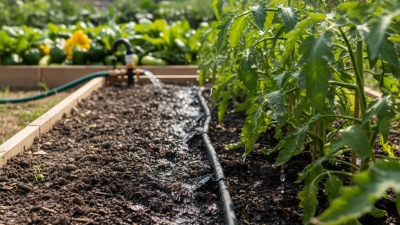
Drip irrigation, for instance, delivers water directly to the plants' roots. It is efficient and reduces water waste. This system is ideal for flower beds and small gardens. The precise watering reduces the chances of overwatering, which can harm plant roots. Over time, however, drip lines can become clogged. Regular maintenance is crucial.
Sprinkler systems are commonly used for larger areas. They distribute water in a spray pattern, covering extensive lawns or fields. There are stationary and rotating sprinklers. Stationary types are easy to set up but often require manual adjustments. Rotating systems can be set to cover specific areas, making them more efficient, but they may cost more.
Tips: Consider your landscape size before selecting a system. If your garden has diverse plant types, varying irrigation methods may be necessary. Improper installation can lead to uneven watering. Always check for leaks and adjust timers accordingly for optimal results.
Types of Landscape Irrigation Systems
How Landscape Irrigation Works: Components and Processes
Landscape irrigation is essential for maintaining lush gardens and landscapes. Understanding its components and processes can enhance your watering strategies. A basic landscape irrigation system includes several key elements: water source, pipes, valves, sprinklers, and timers. Each part plays a vital role in delivering water where it's needed.
The water source is crucial. It can be municipal water or a well. Pipes transport water throughout the landscape. Valves control the flow. This system's efficiency depends on the placement of sprinklers. They should cover all vegetation evenly. A timer can automate this process, ensuring consistent watering schedules.
Tip: Regularly check your system for leaks. Even small leaks can waste significant water over time. Adjusting sprinkler heads for better coverage can prevent dry spots.
Balancing water distribution is an ongoing challenge. Sometimes, certain areas may receive too much water while others are dry. This imbalance requires constant monitoring and adjustments. Observing plant health can guide your strategy effectively. A garden's needs change with seasons, and staying attuned to those changes is key to successful landscape irrigation.