What is Solar Drip Irrigation and How Does It Work?
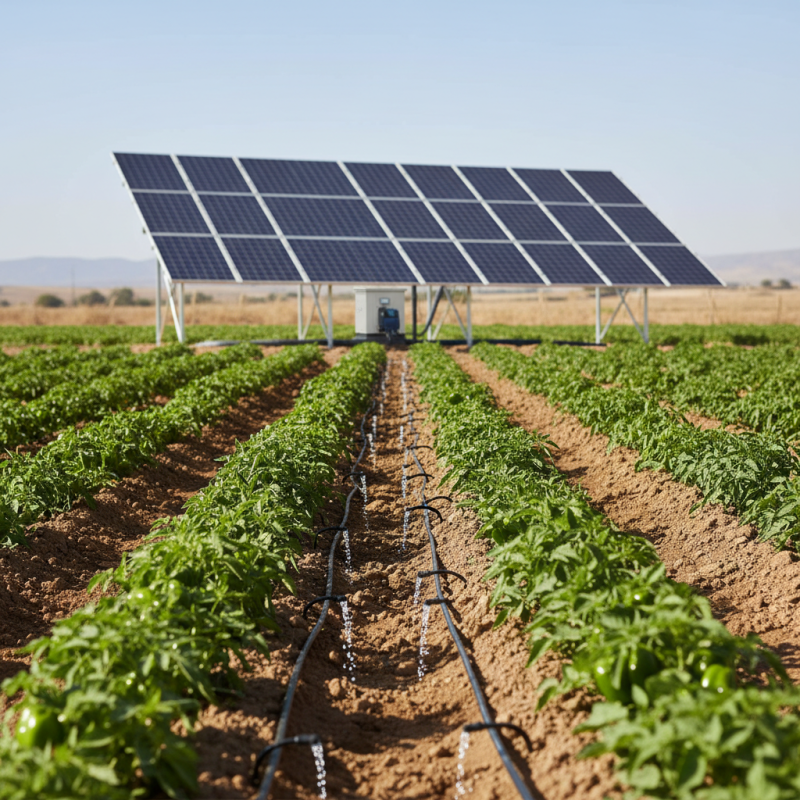
Solar drip irrigation is an innovative technique designed to optimize water usage in agriculture. It combines solar power with a drip irrigation system. This method delivers water directly to the plant roots, minimizing wasteful evaporation.
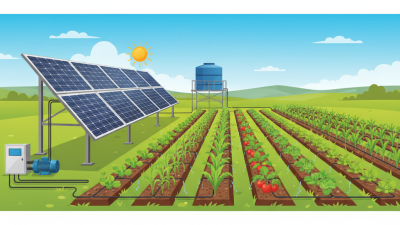
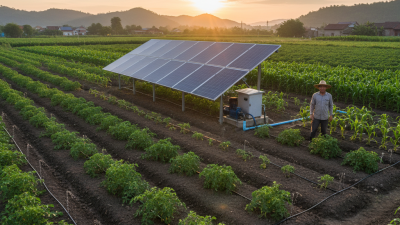
The system works by using solar panels to power pumps that distribute water. These pumps push water through a network of tubes and emitters, ensuring each plant receives the right amount. Such efficiency can lead to healthier crops and better yields.
However, solar drip irrigation isn't without challenges. Initial setup costs can be high. Maintenance is vital, as clogged emitters can hinder water flow. Despite these obstacles, the benefits are clear: sustainable farming and reduced water consumption. This approach is worth exploring as we seek greener solutions in agriculture.
Understanding Solar Drip Irrigation Technology
Solar drip irrigation integrates solar energy with efficient water delivery systems. This technology addresses the challenges of water scarcity in agriculture. According to a recent report from the Food and Agriculture Organization (FAO), approximately 70% of the world’s freshwater is used for irrigation. With the increasing population, innovative solutions like solar drip irrigation become essential.
The system utilizes solar panels to power drip irrigation technology. This allows farmers to distribute water directly to the plant roots. Studies indicate that this method can reduce water usage by up to 50% compared to traditional irrigation methods. However, one must consider the initial setup costs and feasibility. Some farmers may find the technology daunting. Additionally, maintenance requires knowledge of both solar power and irrigation techniques.
Despite these challenges, the benefits are noteworthy. The potential for reduced water waste and increased crop yields cannot be overlooked. However, adoption rates vary significantly across regions. Not all areas have equal access to the technology, creating a disparity in agricultural efficiency. A more reflective approach is necessary to understand the barriers to implementation in different communities.
Components of a Solar Drip Irrigation System
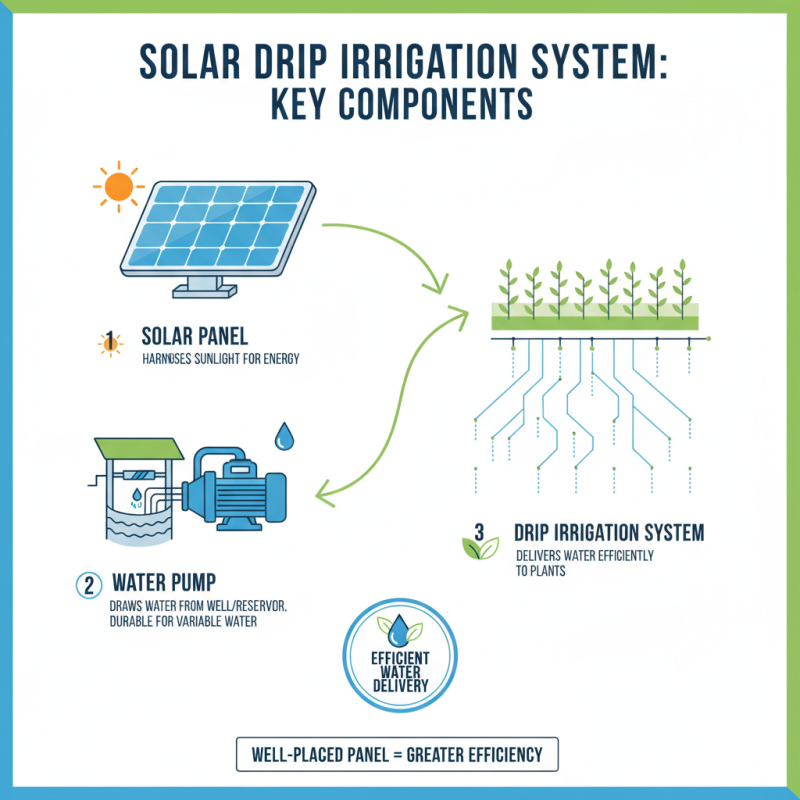
Solar drip irrigation systems rely on key components to function effectively. The primary element is the solar panel, which harnesses sunlight for energy. This energy powers the system's pump, drawing water from a well or reservoir. A well-placed panel can make a significant difference in efficiency. The pump should be durable and designed to handle variable water conditions.
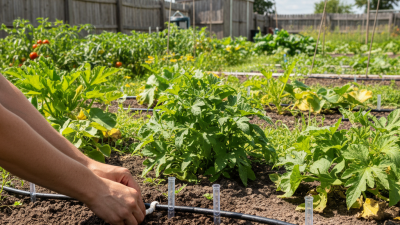
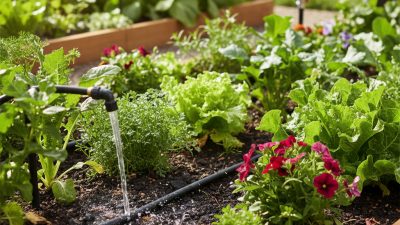
The network of pipes is another crucial part. These pipes transport water to plants through drip emitters. Emitters release small amounts of water directly at the plant's roots. This reduces waste and conserves moisture. However, emitters can clog, requiring regular maintenance. Filters can be installed to minimize this issue.
Water storage tanks are equally important. They hold water and ensure a steady supply, especially during dry spells. Tanks should be monitored for water levels. Understanding the balance between storage and consumption is vital. Proper sizing of tanks can prevent overflows and shortages. Each component plays a role in the system’s overall effectiveness. Small changes can lead to big improvements. Sustainable practices can sometimes feel overwhelming, but they are necessary for long-term success.
How Solar Power Enhances Drip Irrigation Efficiency
Solar power is transforming the agricultural landscape by enhancing drip irrigation efficiency. Drip irrigation delivers water directly to the plant roots, reducing waste. When solar energy is used to drive this system, it becomes even more effective. Solar panels harness sunlight, converting it into electricity. This electricity powers pumps, which deliver water on-demand.
Imagine a farmer in a remote area. Without reliable power, watering crops can be a challenge. However, integrating solar power simplifies the process. The farmer can monitor the system remotely. This offers flexibility and control, ensuring crops receive adequate water. However, the initial setup costs can be high. Some farmers may struggle with the investment.
The efficiency of solar drip irrigation lies in its precision. Water is released slowly, preventing runoff and ensuring that every drop counts. This method also conserves energy. Yet, there can be shortcomings. Not every region receives the same amount of sunlight year-round. Adjusting the system to local conditions can be tricky. Farmers may need to find a balance between efficiency and practicality.
Benefits of Using Solar Drip Irrigation in Agriculture
Solar drip irrigation offers multiple benefits in agriculture, particularly in enhancing water efficiency. Studies show that this system can lead to water savings of up to 60%. By utilizing solar panels to power the pumps, farmers can use a renewable energy source. This not only cuts down electricity costs but also promotes sustainable farming practices. In regions facing water scarcity, such as parts of Africa and Asia, solar drip irrigation can be a game-changer.
One of the key advantages is the reduction in labor costs. This system often requires less maintenance and allows farmers to manage their fields more effectively. A report by the Food and Agriculture Organization highlights that solar drip irrigation has increased crop yields by 30% in some regions. However, challenges remain. Not all farmers can access solar technology due to initial setup costs or lack of knowledge.
**Tip:** Consider starting with a small section of your farm to test the system. This allows you to evaluate its effectiveness without a huge financial commitment.
Moreover, it’s crucial to monitor the performance regularly. Assessing soil moisture levels can help optimize irrigation schedules. Balancing water delivery is critical. It’s essential to avoid over or under-watering, as both can harm crops. Empowering local farmers with proper training on these systems can foster greater community resilience.
What is Solar Drip Irrigation and How Does It Work? - Benefits of Using Solar Drip Irrigation in Agriculture
| Feature |
Description |
Benefits |
| Water Efficiency |
Delivers water directly to the plant roots, minimizing evaporation. |
Reduces water usage by up to 50% compared to traditional irrigation methods. |
| Power Source |
Utilizes solar panels to power the irrigation system. |
Sustainable and reduces reliance on conventional energy sources. |
| Labor Requirements |
Automated system which requires less manual intervention. |
Saves time and reduces labor costs. |
| Crop Yield |
Provides consistent moisture levels to crops. |
Can lead to higher crop yields and improved quality. |
| Environmental Impact |
Minimizes runoff and soil erosion. |
Promotes sustainable farming practices. |
Challenges and Considerations in Implementing Solar Drip Irrigation
Implementing solar drip irrigation presents unique challenges.
Initial setup costs can be a barrier for many farmers. A report from the
Food and Agriculture Organization highlighted that about
37% of smallholder farmers struggle with financing modern irrigation systems.
This is compounded by the need for ongoing maintenance, which can deter adoption.
Technical expertise is another hurdle. Many farmers lack the knowledge to configure solar systems effectively.
A study by the International Water Management Institute noted that only
25% of farmers received adequate training on solar technologies. This gap often leads to inefficient systems and poor crop yields.
Furthermore, the solar panels require clear sunlight, which can be an issue in shaded areas or regions with low solar radiation.
Finally, there is the risk of fluctuating prices for solar components.
This uncertainty makes budgeting challenging for farmers. The World Bank reported
that prices for solar equipment can vary by up to 50% within a year.
This unpredictability adds stress, especially for those operating on tight margins.
These challenges require careful consideration before widespread adoption can occur.